

Used GMC Trucks in Austin and the Hill Country
How to pick the right Canyon, Sierra 1500 or Sierra HD for your trailer, and what to inspect on a truck that has already worked for a living.
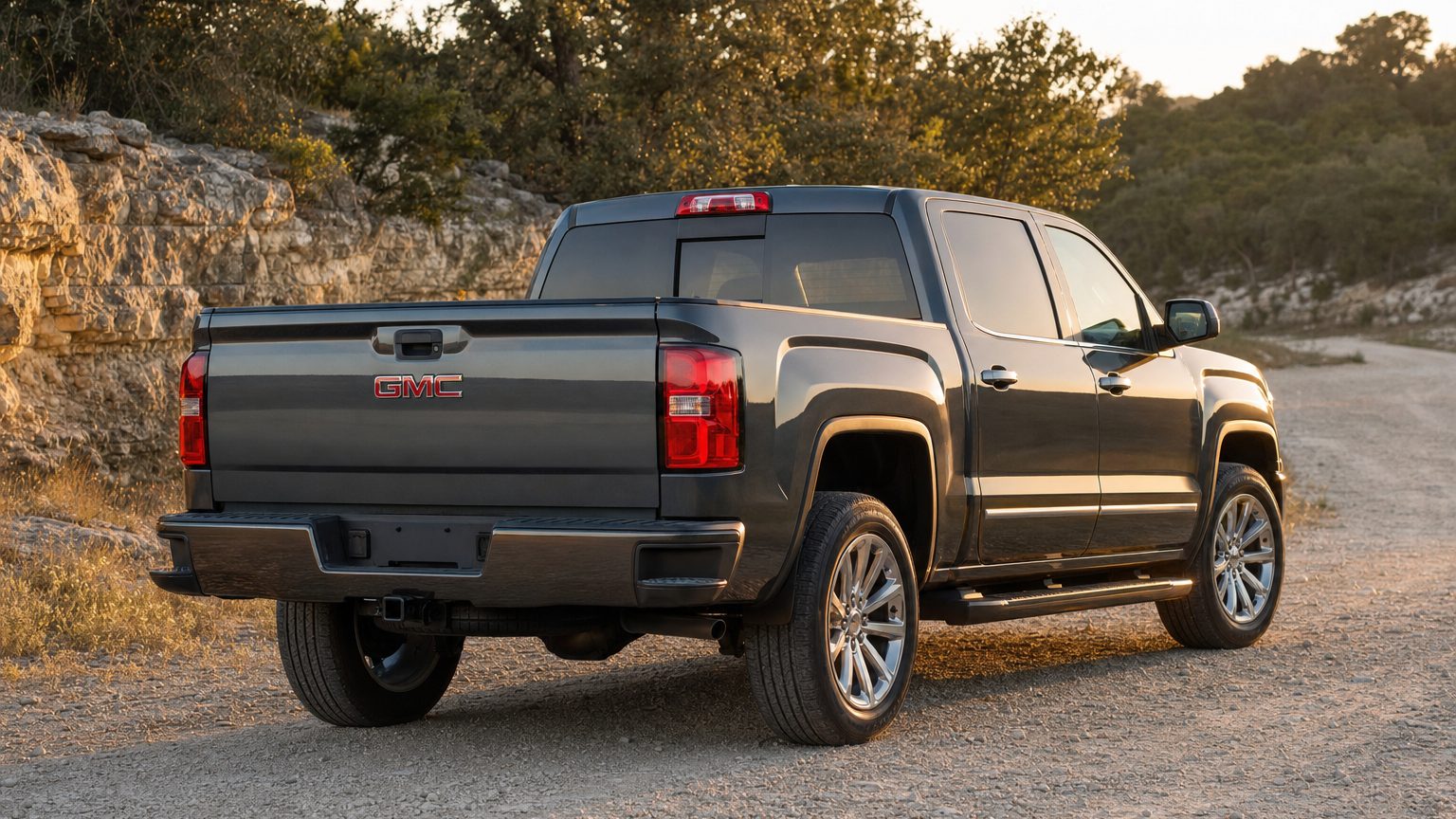
Used GMC trucks can be smart buys around Bee Cave and Austin, as long as you match the truck to what you tow and check how hard it has worked. A Canyon suits lighter loads and tight lake-town parking, a Sierra 1500 covers most boats and ranch trailers, and a Sierra HD is built for heavy, frequent towing. This page is part of our guide to used and certified Buick GMC vehicles in Bee Cave.
In the Hill Country, one pickup often pulls a ski boat to Lake Travis on Saturday, hauls feed out to Dripping Springs on Monday and commutes into Austin in between. That mix is fine for a truck that has been maintained and hard on one that has not. Below you will find how to choose a model, a checklist for a truck with a towing past, and how certification changes the picture.
Which used GMC trucks fit what you tow and haul?
Choose by your heaviest regular load, not your occasional one. A Canyon handles light trailers and daily driving, a Sierra 1500 covers most boats and horse trailers, and a Sierra HD suits heavy gooseneck, fifth-wheel or constant ranch towing.
There is no single towing number for any of these trucks. GMC’s own trailering guide shows that a Sierra’s rating changes with the cab, box length, 2WD or 4WD, engine and whether the Max Trailering Package is fitted. Two Sierras on the same lot can tow very different loads, so read the exact truck’s specs rather than a model-wide figure.
GMC also tells owners to check the Owner’s Manual and the label on the driver’s door jamb for that truck’s carrying capacity. Do that on any truck you drive, then compare it with your boat, trailer and gear fully loaded, the way you actually leave Lakeway on a summer weekend.
| Truck | Best fit | Typical Hill Country use |
|---|---|---|
| Canyon | Midsize pickup for lighter towing and easy parking | Jet skis, a small utility trailer, a weekday commute from Lago Vista |
| Sierra 1500 | Full-size half-ton for most recreational and ranch towing | A ski boat to Lake Travis, a two-horse trailer, a camper |
| Sierra HD | Heavy-duty 2500 or 3500 for big, frequent loads | A gooseneck stock trailer, a fifth-wheel, equipment out past Spicewood |
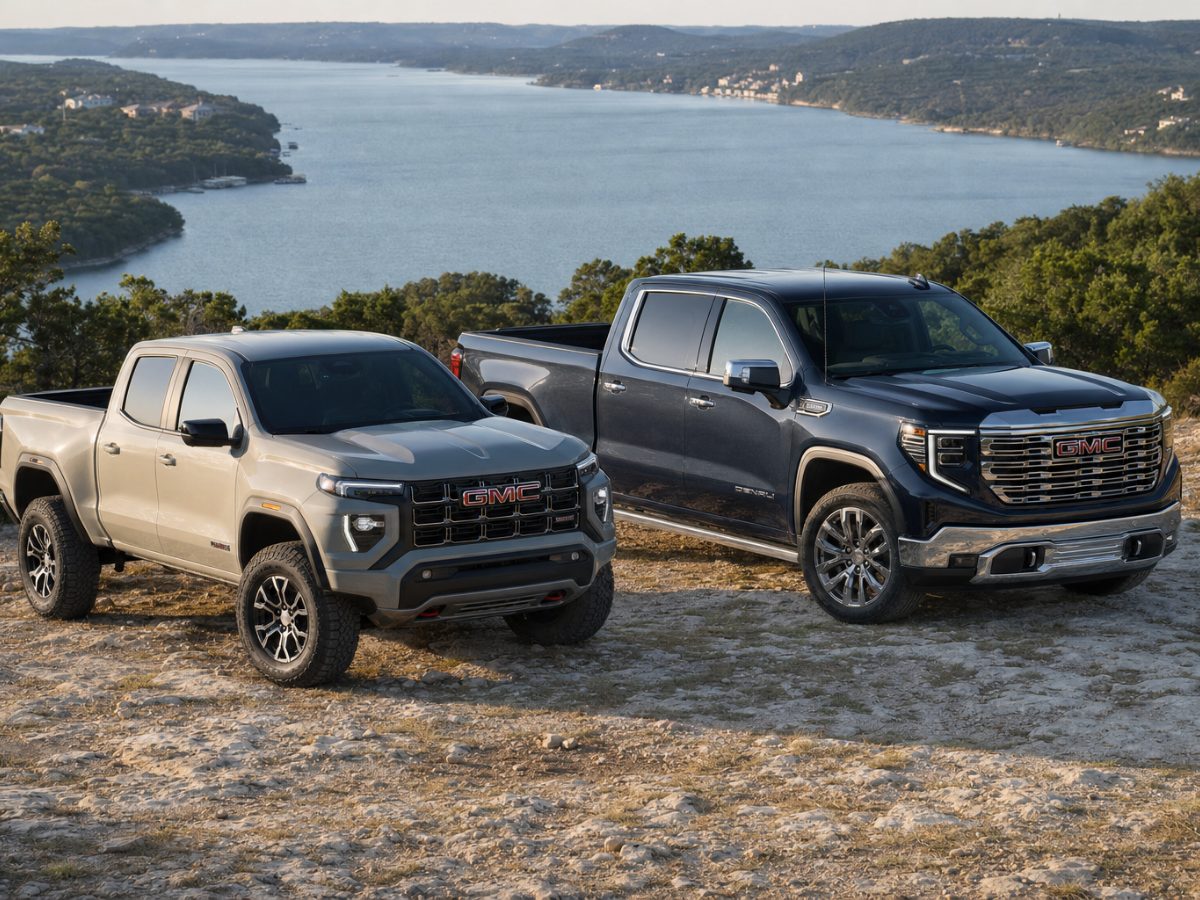
If you lean toward a well-equipped Sierra, our guide to buying a Denali trim for less explains what the top trim adds and how to judge one secondhand.
How do you inspect a GMC pickup for sale that has towed or done ranch work?
Look where towing and ranch miles leave marks: the hitch and receiver, trailer wiring, transmission, brakes, tires, suspension, bed and underbody. Then confirm 4WD engages cleanly. Normal wear is expected; signs of neglect or overloading are what should send you walking.
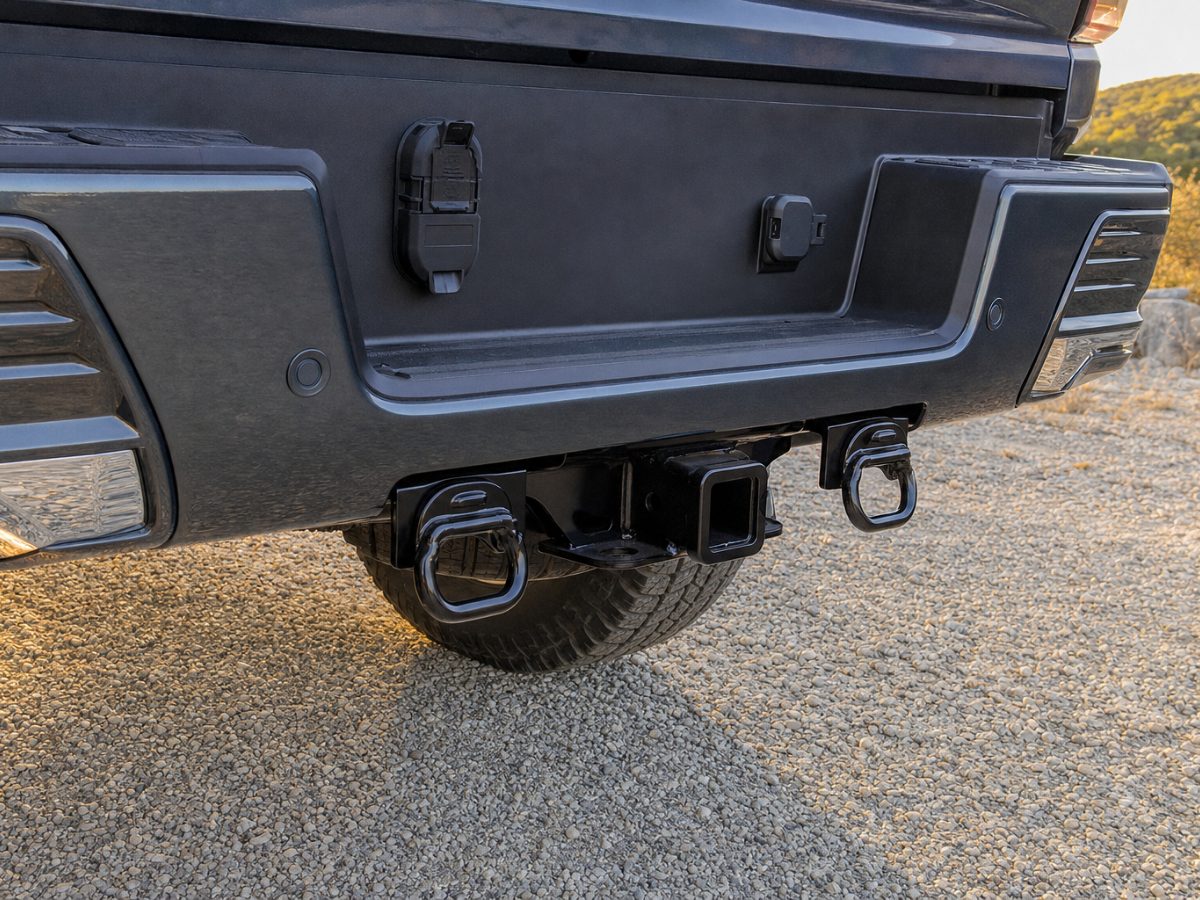
Hitch, receiver and trailer wiring
- Receiver (the square tube the ball mount slides into): look for elongated pin holes, cracked welds or heavy rust at the mounting points.
- Ball mount and safety chain loops: scuffs are normal; bent metal suggests a trailer pushed too hard against them.
- Trailer plug: check the connector for corrosion and bent pins, then test brake lights, turn signals and running lights with a trailer or tester.
- Brake controller: if one is fitted, confirm it powers up and its settings respond.
Transmission, brakes and tires
Towing heats transmission fluid, so ask when it was last serviced and how often the truck pulled a trailer. GMC’s guide recommends an automatic transmission for trailering, and one that shifts smoothly, without slipping, on the climb up RR 620 toward Lakeway is a good sign. Check pads and rotors for scoring, and read the tires: uneven inner or outer wear can point to alignment knocked out by heavy tongue loads.
Suspension, bed and underbody
Park on level ground and study the stance. A rear end that sits low with no load can mean tired springs or shocks. Dents from hay bales and tools are cosmetic, but cracks near the bed mounts are not. Underneath, scrapes on skid plates (steel shields protecting the engine, transfer case and fuel tank) are common on caliche roads around Dripping Springs; bent or punctured plates deserve a closer look.
Four-wheel drive and recalls
Shift into 4HI and 4LO on gravel during the drive. The indicator should change promptly, with no grinding, clunking or warning lights. Then run the 17-character VIN through NHTSA’s recall tool, which shows any unrepaired recalls, though very recent ones may not appear yet. The VIN sits at the lower left of the windshield and on the registration card.
Why do maintenance records matter more than the odometer?
Records show how a truck was treated, which predicts its future better than mileage alone. A higher-mile Sierra with on-time fluid changes after towing seasons can be a safer bet than a low-mile truck that worked hard and was ignored.
Highway miles between Austin and Cedar Park are easy on a drivetrain. Short trips with a loaded trailer up steep Hill Country grades are not. The odometer cannot tell the two apart, but service receipts can. Look for regular oil changes, transmission and differential fluid service, brake work and any hitch or wiring repairs.
- Did the truck tow regularly, and roughly what?
- Were transmission and differential fluids serviced, and when?
- Was it driven off pavement or on ranch roads?
- Are there receipts for brakes, tires and alignment?
Already own a truck and want a second opinion before you trade or sell it? Contact our Bee Cave team to ask about having it looked over.
How is a certified GMC Sierra for sale different from an ordinary used one?
A certified truck has met GM’s age and mileage limits, passed its inspection and carries program benefits, while an ordinary used truck is sold on its own condition. Certification narrows the unknowns that worry buyers of trucks that have towed.
GM’s certification now runs through CarBravo, its only used-vehicle certification program for U.S. Chevrolet, Buick and GMC dealers. It has two tiers, Bravo and BravoBudget, and both include a vehicle history report, an exchange window and roadside assistance.
For the CarBravo Certified tier, a GMC must be under 10 years old, have no more than 100,000 miles and pass a 126-point inspection; older, higher-mileage trucks may qualify for BravoBudget. For the full picture, read what certification adds to a pre-owned Buick or GMC.
An ordinary used truck can still be a strong buy, such as an older Sierra HD bought for farm duty in Spicewood. You simply carry more of the checking yourself, so lean on the checklist above.
How do you test drive used trucks for sale with a trailer in mind?
Bring your real use to the drive. Check the hitch and wiring before you leave, drive a grade and some gravel, test 4WD, and confirm the door-jamb label suits your load. Ask for a hitch walkaround when you book.
Around Bee Cave you can reach a steep climb and rough pavement within minutes, which tells you more than a flat loop. Listen for driveline clunks as you pull away, feel how the brakes bite on a downhill toward West Lake Hills and note whether the transmission holds gears smoothly.
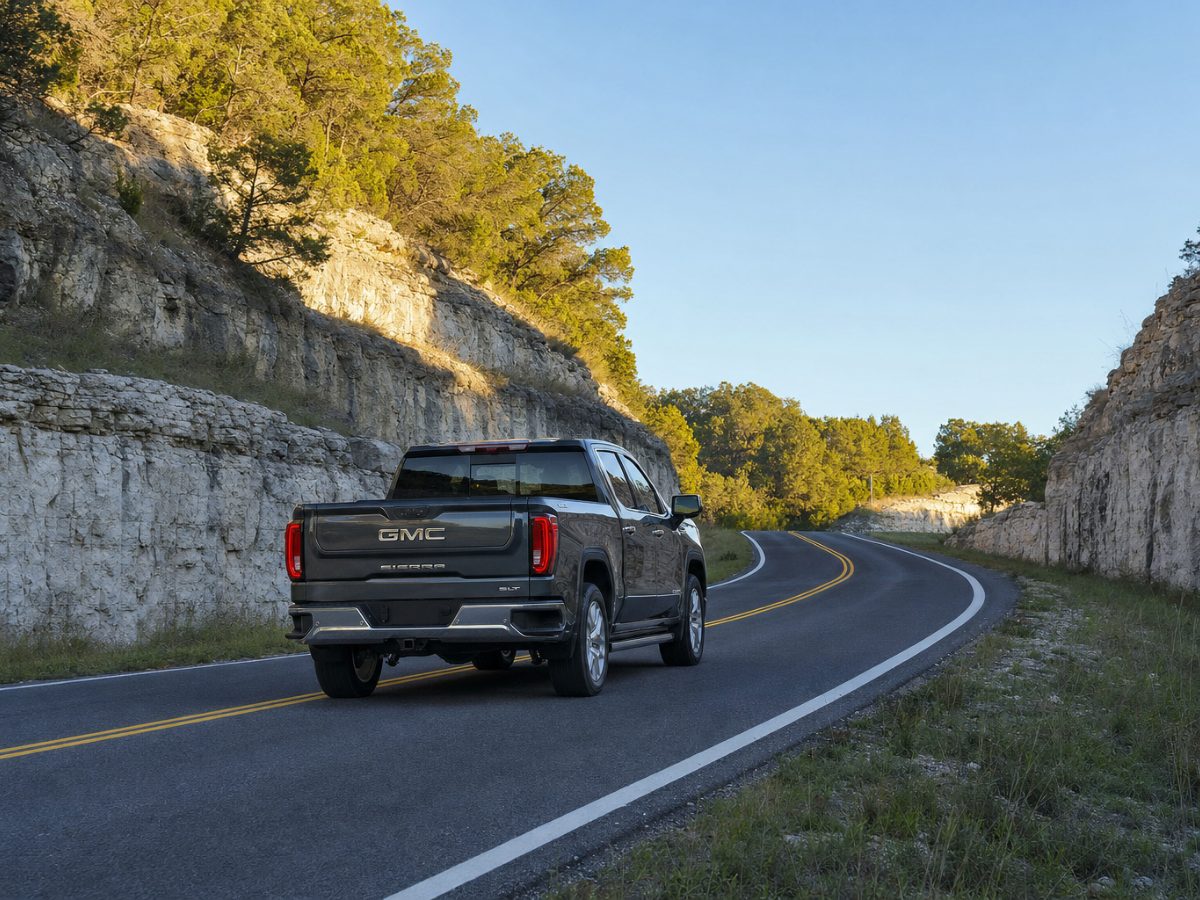
Ready to look? Schedule a test drive with a trailer hitch walkaround, weigh your options with special financing at Covert Buick GMC Bee Cave, or compare with a new GMC truck from our inventory.
Frequently asked questions
Are used GMC trucks that towed a lot a bad buy?
Not necessarily. Pickups are built to tow, and a well-maintained one with service records can be a strong buy. Walk away from signs of neglect or overloading: a damaged receiver, a slipping transmission, a sagging rear suspension or no fluid service after heavy towing seasons.
How much can a used Sierra 1500 tow?
It depends on that exact truck. GMC shows ratings vary by cab, box length, 2WD or 4WD, engine and the Max Trailering Package. Check the Owner’s Manual and the driver’s door jamb label, and ask us to look up the specs of a truck you like.
Where can I find GMC trucks for sale near me in Bee Cave?
Covert Buick GMC Bee Cave is a Buick GMC dealership in Bee Cave, TX, an easy drive from Lakeway, West Lake Hills and Austin. Its pre-owned trucks include the Sierra 1500 and heavy-duty models. Ask our sales team about current used trucks.
Should I buy a Canyon or a Sierra 1500 for Lake Travis?
Match the truck to your boat and gear fully loaded. A Canyon suits jet skis and small boats with easier parking; a Sierra 1500 gives more room for larger boats, family and steep ramps. Compare the exact truck’s door-jamb label with your loaded trailer.
Can a truck over 100,000 miles still be certified?
The CarBravo Certified tier needs a vehicle under 10 years old with no more than 100,000 miles, but older, higher-mileage vehicles may qualify for BravoBudget Certified. Both tiers include a history report, an exchange window and roadside assistance.