

Maintaining GMC Sierra Performance in Central Texas Conditions
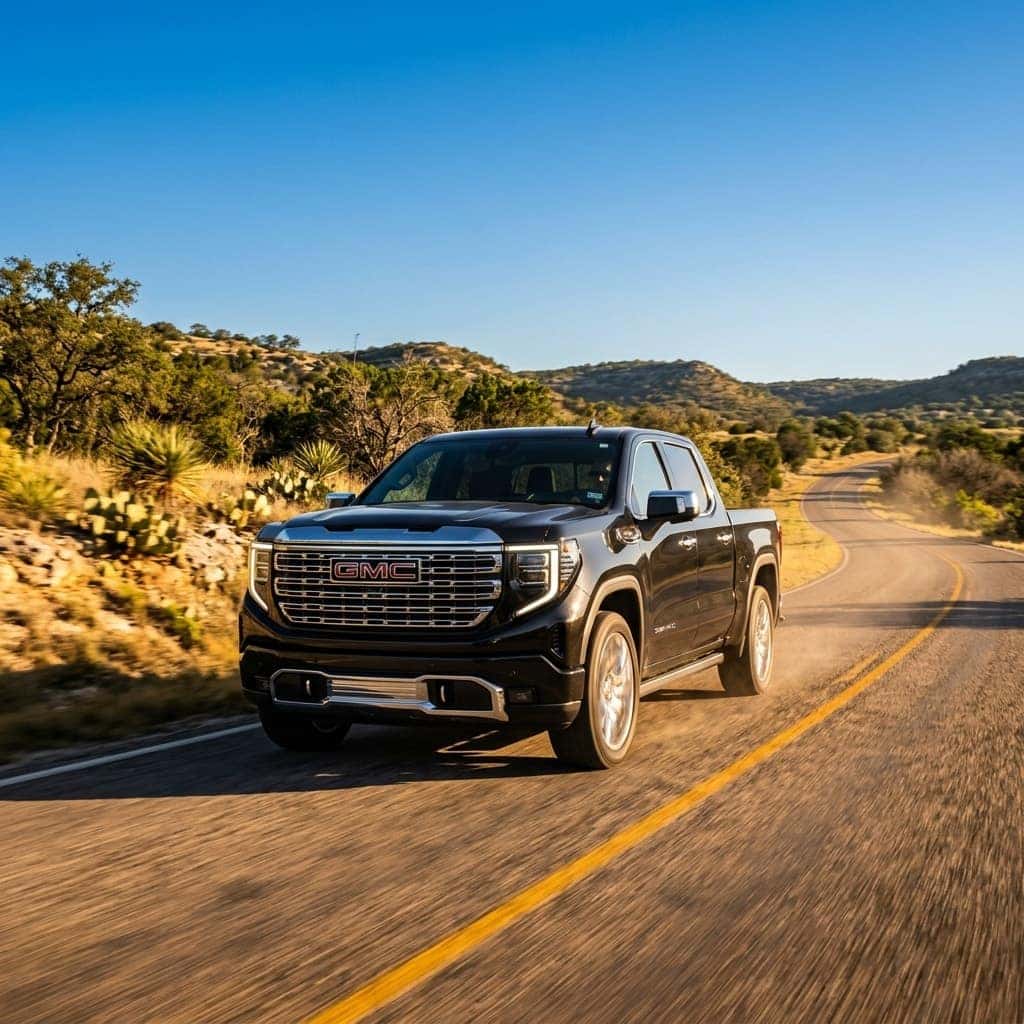
Austin experiences a humid subtropical climate where summer temperatures frequently exceed triple digits for weeks at a time. This environmental heat places extreme stress on the cooling systems and electrical components of heavy-duty trucks. For owners of the GMC Sierra, maintaining a rigorous service schedule is not just about following a manual; it is about ensuring the vehicle can handle the thermal load of idling in traffic near the Texas State Capitol or hauling equipment across the Colorado River. High ambient temperatures accelerate the degradation of engine oil and can cause battery fluid to evaporate, leading to premature failure if the system is not inspected regularly.
The rolling hills of the Texas Hill Country require a truck operating at peak mechanical efficiency. The 2024 GMC Sierra 1500 is equipped with General Motors’ Oil Life Monitoring System, which utilizes temperature data and driving patterns to calculate precisely when a change is required. While many drivers adhere to a standard 7,500 miles or 1 year interval, those frequently navigating the urban congestion of downtown often find that the system recommends service sooner. Ensuring your cooling system is flushed and your battery is tested before the peak of summer helps prevent roadside emergencies during the hottest months of the year.
If you have questions about how local conditions affect your specific model, give our service department (512) 954-9290 a quick call. For those ready to drop off their vehicle for a multi-point inspection, our Bee Cave location is easily accessible for a thorough seasonal check-up.
Table of Contents
- Advantages of Factory-Certified Technicians for Sierra Repair
- Essential GMC Sierra Maintenance Intervals and Fluid Services
- Critical Drivetrain and Transmission Care for Modern Trucks
- Comparing Full-Service Repair Facilities and Independent Austin Mechanics
- Quick Answers Before You Visit
Advantages of Factory-Certified Technicians for Sierra Repair
Modern truck engineering requires diagnostic tools that interface directly with proprietary General Motors software to manage everything from the 3.0L Duramax Turbo-Diesel fuel mapping to the sophisticated infotainment logic. GM-trained and certified technicians have exclusive access to factory diagnostic equipment and the most current technical service bulletins. This specialized knowledge allows our team to identify potential issues with a GMC Sierra before they manifest as mechanical failures. Unlike general mechanics who work on a vast array of makes and models, our technicians focus on the specific architecture of the Sierra, allowing for faster and more accurate troubleshooting.
Using the correct components during a repair is equally vital to maintaining the integrity of your truck. We exclusively utilize Genuine GM and ACDelco parts, which are engineered and tested to meet the exact standards for fit and function required by General Motors. Whether your truck requires a new alternator or a simple cabin air filter replacement, these parts ensure that the vehicle remains within its original factory specifications. This commitment to quality helps maintain the validity of your manufacturer warranty and supports the long-term resale value of the vehicle.
When your truck requires attention, you can easily use our online service scheduler to find a time that fits your day. Our technicians are also available to help you source specific replacement parts for DIY projects or upgrades, ensuring you always have the right component for the job.
Essential GMC Sierra Maintenance Intervals and Fluid Services
Following a consistent maintenance schedule is the most effective way to protect the longevity of a high-output engine like the 6.2L V8. Under normal driving conditions, GMC recommends that the Sierra receive an oil and filter change every 7,500 miles. This interval is also the primary benchmark for a tire rotation, which is critical for maintaining even tread wear and stable handling on the limestone cliffs and winding routes common in Central Texas. During these visits, a comprehensive inspection of the brake system, battery health, and fluid levels should be performed to ensure all safety systems are functioning correctly.
Beyond the basic oil change, several periodic services are necessary to keep the Sierra running efficiently:
- Engine Air Filter: Should be inspected every 15,000 miles and replaced more frequently if driving on gravel or dusty work sites.
- Cabin Air Filter: Replacement is typically recommended every 22,500 miles to ensure the air conditioning system can effectively filter out local pollen and dust.
- Brake Inspection: Frequent towing requires regular checks of the pads and the available Duralife brake rotors, which are designed to provide double the service life of traditional rotors.
- Battery Testing: The extreme heat in the region can shorten battery life; testing every six months is a best practice for local truck owners.
Critical Drivetrain and Transmission Care for Modern Trucks
The heavy-duty demands of towing and hauling place unique stress on the 10-speed automatic transmission found in recent GMC Sierra models. To maintain smooth shifting and prevent overheating, the transmission fluid must be clean and at the proper level. While modern transmissions are designed for durability, a professional transmission flush is often recommended between 45,000 and 90,000 miles depending on the severity of the truck’s duty cycle. In the Austin area, a professional transmission flush typically ranges from $200 to $350 at independent shops, but factory-certified centers provide the specific software updates necessary for the 8-speed and 10-speed units.
A well-maintained GMC Sierra can realistically reach the 200,000 to 250,000-mile mark. Reaching this milestone requires diligent care of the drivetrain, including the transfer case and differentials on four-wheel-drive models. If a major component like the transmission requires a rebuild, the process generally takes 3 to 5 business days in the local area, depending on the availability of specialized GM components. Addressing minor leaks or hesitant shifts early can prevent the need for these more extensive and time-consuming repairs.
Comparing Full-Service Repair Facilities and Independent Austin Mechanics
Truck owners often weigh the lower overhead of a general repair shop against the specialized resources of a dedicated truck center. Independent mechanics in San Marcos often provide personalized service and may offer a 12,000 miles or 12-month warranty on their work, which can be a competitive option for older trucks that are no longer covered by a factory powertrain warranty. Some independent shops even offer a dealership matching guarantee, providing similar warranty terms at a lower cost. However, the complexity of modern GMC systems, such as the advanced safety sensors and integrated towing technologies, often necessitates the specialized software and tools found at a certified facility.
Navigating the limestone bluffs and rolling hills around San Marcos with a heavy trailer requires absolute confidence in your braking and suspension systems. While a quick-lube shop is suitable for basic fluid changes, a full-service facility is better equipped for drivability troubleshooting and suspension work. Certified centers have the advantage of direct communication with the manufacturer for complex electrical issues and recall management. For many Sierra owners, the peace of mind provided by factory-backed diagnostics and specialized truck expertise outweighs the marginal savings of a general repair shop.
Quick Answers Before You Visit
Q: Does the GMC Sierra require a specific type of engine oil for Texas heat?
A: Most modern Sierra engines, including the 5.3L V8, require full synthetic oil that meets GM’s dexos1 standards. This oil provides better thermal stability in high-heat environments like Central Texas, helping to prevent engine sludge and maintaining proper lubrication during long highway hauls.
Q: How can I tell if my Sierra needs a software update rather than a mechanical repair?
A: If you notice erratic shifting in your 10-speed transmission or glitches in the infotainment screen, it may be a software issue. Our technicians use factory tools to check for the latest calibrations and technical service bulletins that can often resolve these issues without replacing physical parts.
Q: Is there a specialized roadside assistance program for GMC owners?
A: Yes, GMC provides a manufacturer-backed roadside assistance program that includes towing to the nearest authorized service center, flat tire changes, and emergency fuel delivery. You can reach GMC Roadside Assistance at 1-800-462-8782 for support anywhere in the country.
Q: Do I need to bring specific documentation for a warranty service visit?
A: While we can look up your vehicle’s service history through the VIN, bringing your previous maintenance records is helpful if you have had work performed at independent shops. This helps our team verify that all required intervals have been met to keep your factory warranty in good standing.
Q: What is the typical turnaround time for a multi-point inspection?
A: A standard multi-point inspection, which includes checking the battery, brakes, and fluid levels, usually takes about an hour. This is often performed during a regular oil change visit to give you a clear picture of your truck’s current mechanical health.
For any additional questions or to speak with a service advisor directly, you can reach our team by phone. If you are ready to visit us in person, our Bee Cave service center is prepared to handle everything from routine maintenance to complex mechanical repairs.
0 comment(s) so far on Maintaining GMC Sierra Performance in Central Texas Conditions