Open Today Sales: 9 AM-7 PM
The 2026 GMC Yukon pairs full-size presence with a powertrain lineup built for real choice. Austin drivers get two V8s plus a torque-rich Duramax turbo-diesel, each backed by a smooth 10-speed automatic. The engine you choose shapes how the Yukon drives, from a quiet commute on MoPac to a loaded run up to Georgetown with a trailer behind you.
All three engines carry over to the longer Yukon XL, so the horsepower and torque figures here apply to both body styles. The XL’s EPA fuel economy is the same in rear-wheel drive and runs about 1 MPG lower in some 4WD configurations because of its added mass, and its towing is rated marginally lower in matched configurations. For full pricing and equipment by trim, see our Yukon trims comparison, or start from the Yukon research hub.
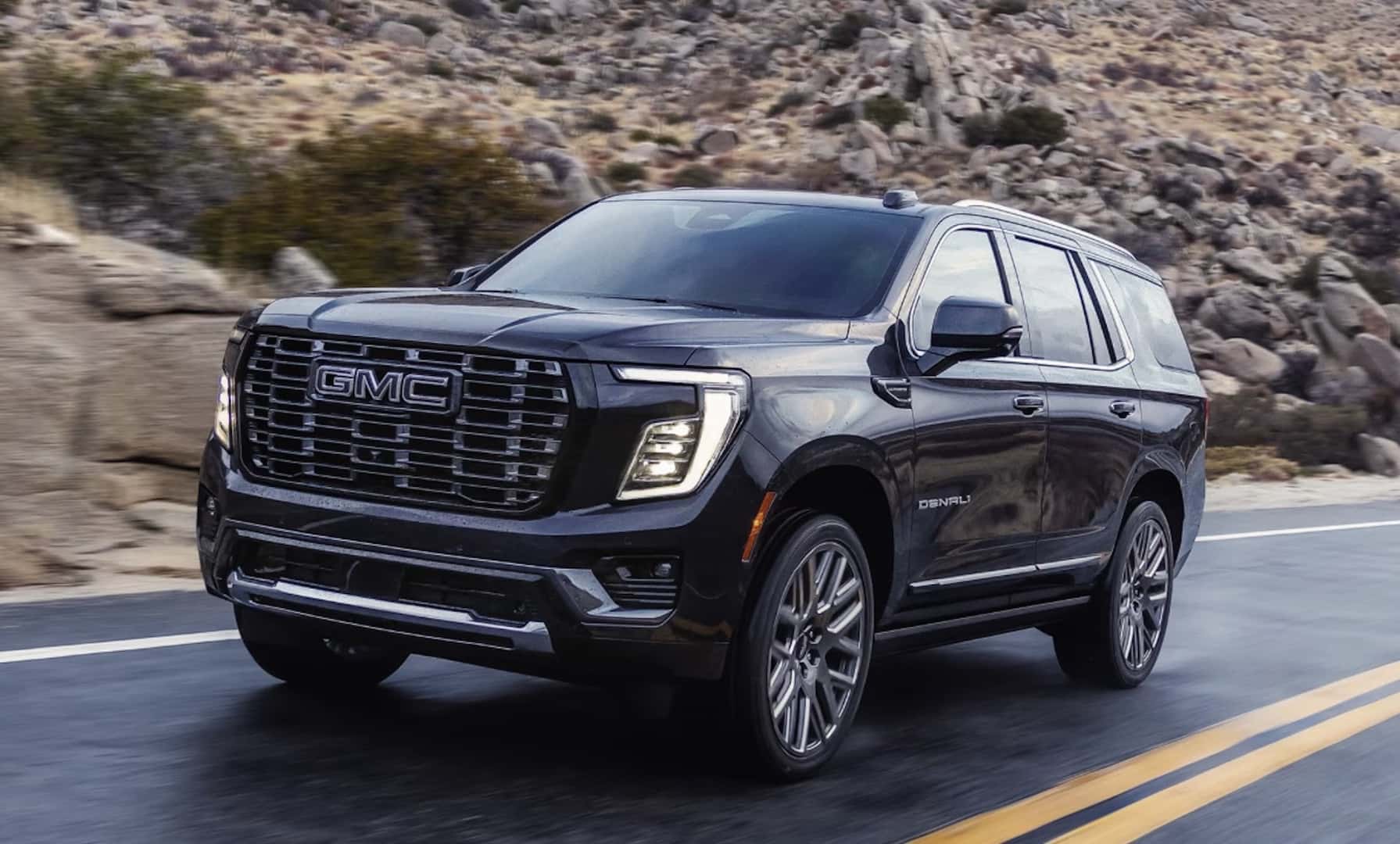
GMC gives the Yukon two gas V8s and a diesel, all built in Texas and all mated to the same 10-speed automatic. Here is how each one stacks up.
The 5.3L V8 is the standard engine on the Elevation and AT4. It makes 355 horsepower and 383 lb-ft of torque, and Dynamic Fuel Management quietly deactivates cylinders under light load to stretch fuel economy on the highway. For most Round Rock families who tow occasionally and drive mostly around town, it is plenty of engine.
The 6.2L V8 steps power up to 420 horsepower and 460 lb-ft of torque. It is the standard engine on the Denali and is offered on the AT4 Ultimate and Denali Ultimate, with availability as an option on the AT4. This is the engine for buyers who want effortless passing power and a planted feel when loaded. Independent testing has clocked a 6.2L-equipped Yukon from 0 to 60 mph in about 6.5 seconds, quick for a vehicle this size.
The Duramax 3.0L turbo-diesel inline-six produces 305 horsepower and the most torque of the three engines, 495 lb-ft, delivered low in the rev range. It can be ordered on any trim and is the efficiency leader of the group. Active Thermal Management helps it run cleanly and pull steadily, which suits long Hill Country drives and frequent towing.
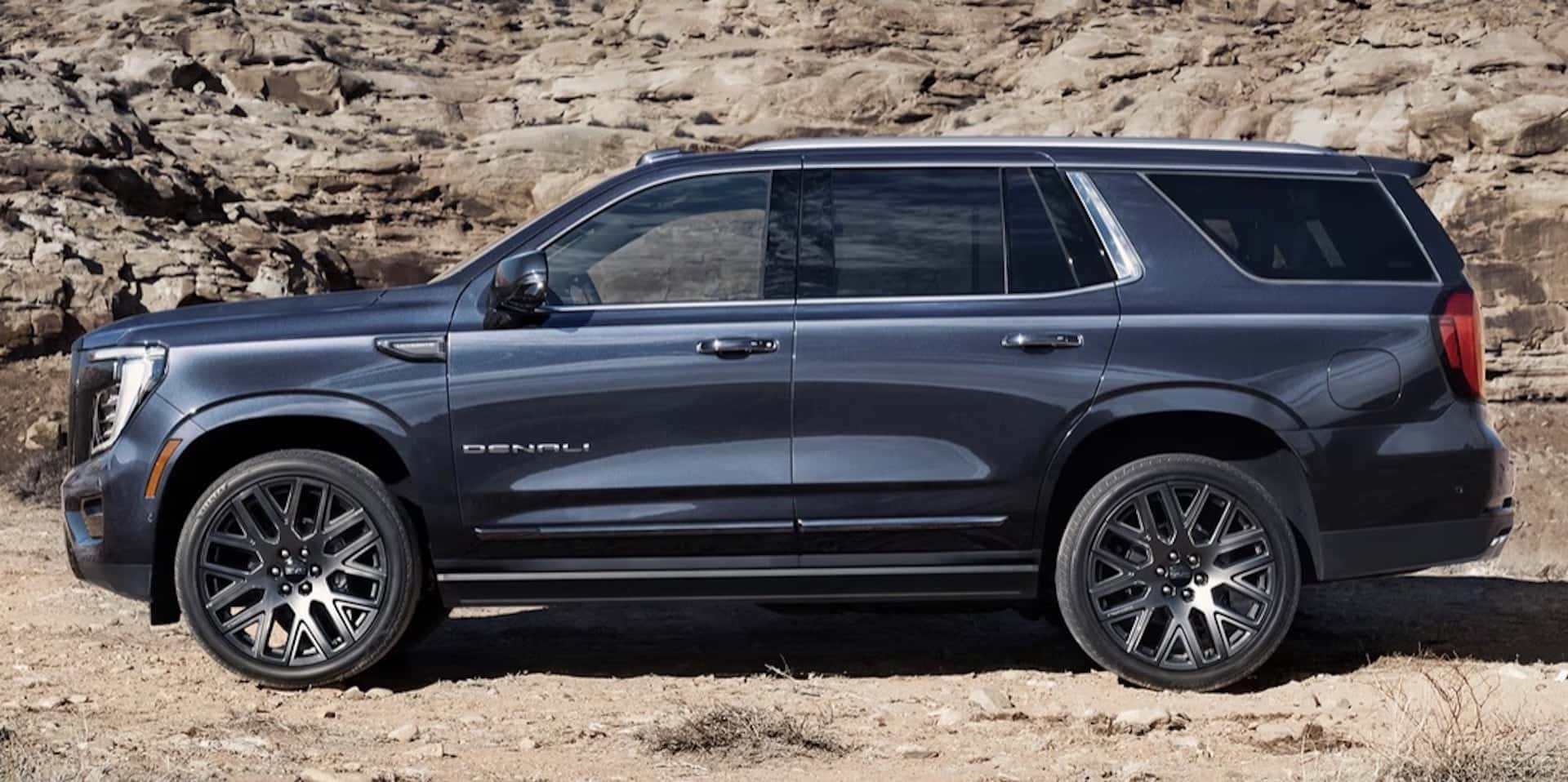
Every 2026 Yukon and Yukon XL uses a 10-speed automatic transmission, which keeps the engine in its sweet spot whether you are merging onto I-35 or holding a gear on a grade. Rear-wheel drive is standard on the Elevation and Denali, while four-wheel drive is standard on the AT4, AT4 Ultimate, and Denali Ultimate and available on the others.
The off-road-focused AT4 and AT4 Ultimate add a two-speed transfer case and an available Active Response 4WD system for slick or unpaved conditions. Suspension hardware steps up with the trims as well, which the ride section below covers.
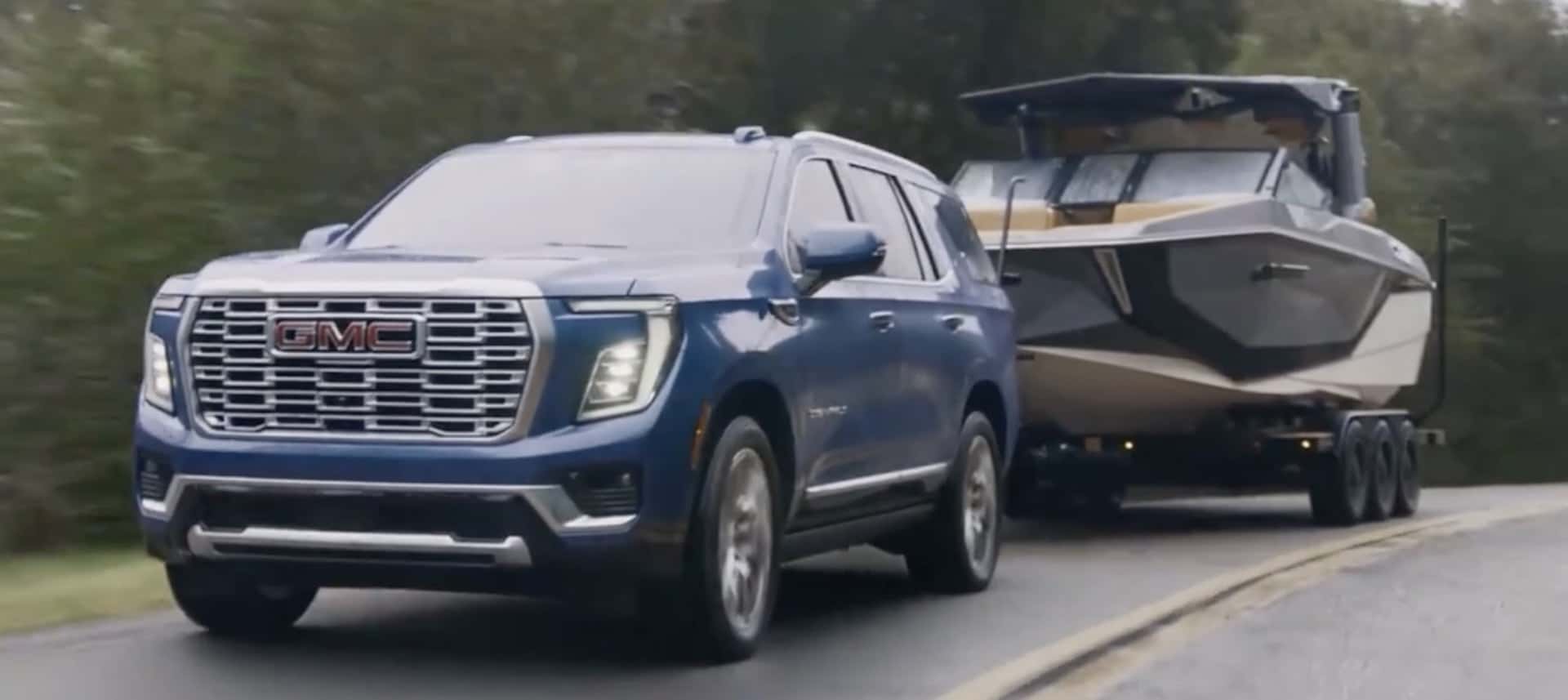
When properly equipped with the Max Trailering Package and a conventional hitch, a 2WD 2026 Yukon with the 5.3L V8 tows up to 8,400 pounds, the highest rating in the lineup. The 6.2L V8 and the Duramax diesel are rated somewhat lower, and choosing 4WD trims the maximum further, so the exact figure for your Yukon depends on engine, drivetrain, and configuration.
The Duramax carries a peak rating just under the gas V8s, but its 495 lb-ft of torque makes it the most composed choice for sustained grades and long hauls toward Lake Travis. The longer Yukon XL tows in the same broad range and is rated slightly lower than the standard Yukon in matched configurations. For a side-by-side of how length affects capability, see our Yukon vs Yukon XL comparison, and for room behind the seats, the Yukon cargo and dimensions guide.
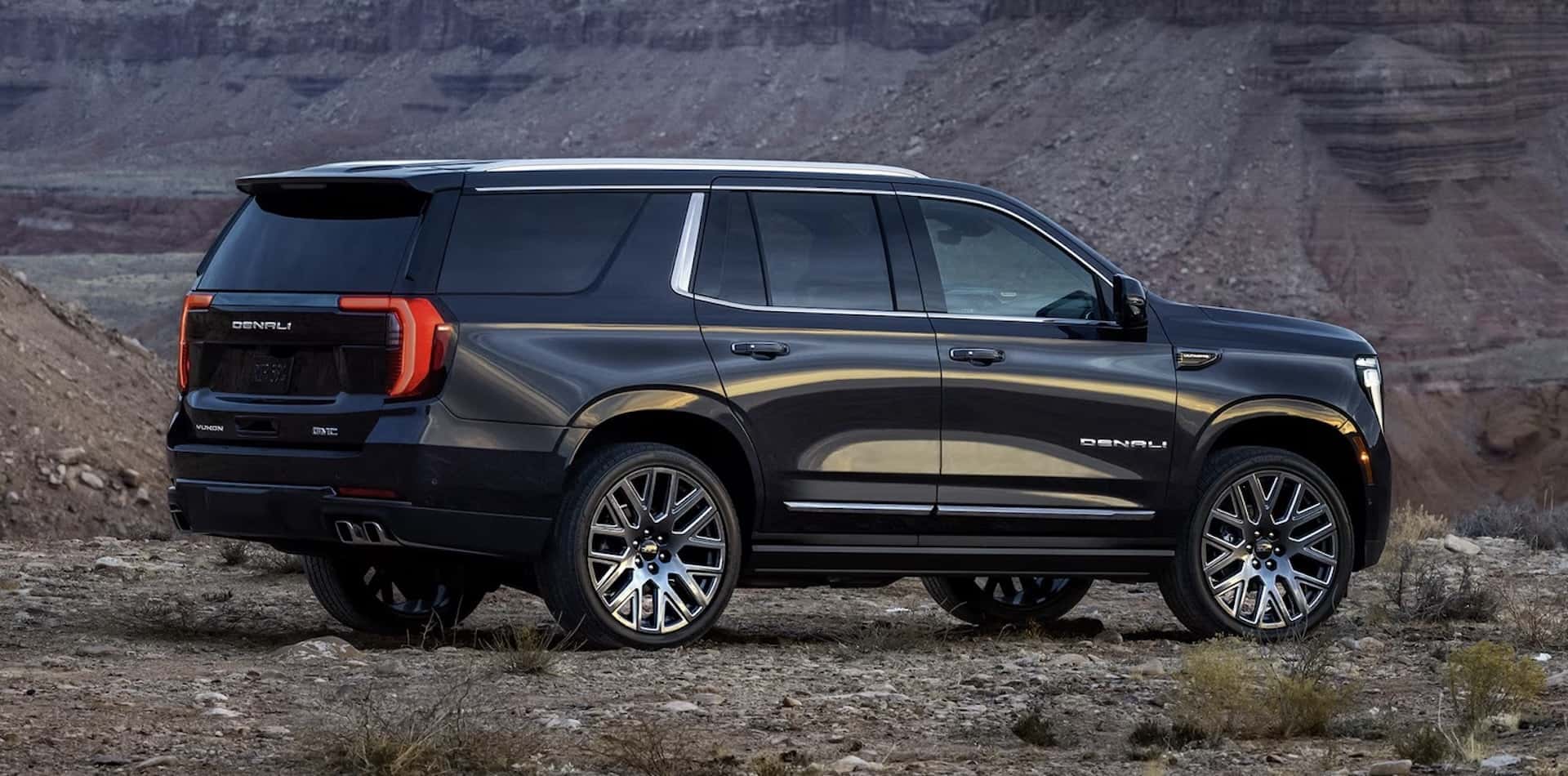
The Max Trailering Package adds the hardware that makes pulling a trailer easier, including an integrated trailer brake controller and a heavier-duty cooling setup. The Yukon also offers driver-facing trailering camera views and assists; we cover those in depth on the Yukon technology features page.
Power is only part of the story. The Yukon rides on an independent rear suspension that keeps the cabin settled over Austin’s patched pavement. The Elevation uses a conventional coil-over setup, while Magnetic Ride Control comes standard on the AT4 and up, reading the road many times a second to firm or soften the damping; the Ultimate trims add four-corner Air Ride Adaptive Suspension. The 5.3L V8 feels relaxed and quiet in daily driving, the 6.2L adds real urgency when you ask for it, and the Duramax trades a little immediacy for low-rpm pull and range.
If you are coming from the standard Yukon for sale in Austin listings and trying to pick a powertrain, the decision usually comes down to how often you tow and how far you drive. The section below sorts it out.
Choose the standard 5.3L V8. It has the muscle for everyday driving and weekend trailers, the lowest price of entry, and Dynamic Fuel Management to keep economy reasonable.
Step up to the 6.2L V8. With 420 horsepower it makes highway passing and loaded acceleration effortless, and it comes standard on the Denali if luxury is part of the plan.
Order the Duramax diesel. Its 495 lb-ft of torque and 23 MPG combined with rear-wheel drive reward frequent towing and high-mileage drivers more than either gas V8.
Ready to feel the difference? Browse the 2026 Yukon inventory at Covert Buick GMC Bee Cave in Austin, schedule a test drive, or get pre-approved to start your purchase.
The 2026 GMC Yukon offers three engines, all paired with a 10-speed automatic transmission. The standard 5.3L V8 produces 355 horsepower and 383 lb-ft of torque. The available 6.2L V8 makes 420 horsepower and 460 lb-ft and is standard on the Denali and offered on the AT4 Ultimate and Denali Ultimate. The available Duramax 3.0L turbo-diesel inline-six delivers 305 horsepower and a class-strong 495 lb-ft of torque and can be ordered on every trim. The same three engines carry over to the longer Yukon XL.
When properly equipped with the available Max Trailering Package and a conventional hitch, a 2WD 2026 Yukon with the 5.3L V8 tows up to 8,400 pounds, the highest rating in the lineup. The 6.2L V8 and the Duramax diesel are rated somewhat lower, and choosing 4WD trims the maximum further. Maximum trailering requires the Max Trailering Package, and the exact rating depends on engine, drivetrain, and configuration. The longer Yukon XL is rated marginally lower than the standard Yukon in matched configurations because of its added length and mass.
It depends on the load. The 5.3L V8 carries the highest peak rating at up to 8,400 pounds in a properly equipped 2WD configuration with a conventional hitch, so it wins on the spec sheet. For frequent or heavy towing, many Austin buyers prefer the Duramax diesel. Its 495 lb-ft of torque arrives low in the rev range, which makes pulling a trailer up Hill Country grades feel steadier and keeps fuel use down on long hauls, even though its peak rating sits just under the gas V8s.
EPA estimates depend on engine and drivetrain. The 5.3L V8 is rated 15 MPG city, 20 MPG highway, and 17 MPG combined with rear-wheel drive. The 6.2L V8 matches that at 15 MPG city, 20 MPG highway, and 17 MPG combined with rear-wheel drive, dropping slightly with 4WD. The Duramax diesel is the efficiency leader at 21 MPG city, 26 MPG highway, and 23 MPG combined with rear-wheel drive. Four-wheel-drive versions of each engine give up one to two MPG.
Yes. The 2026 Yukon XL shares the standard Yukon’s full powertrain lineup: the 5.3L V8, the available 6.2L V8, and the available Duramax 3.0L turbo-diesel, all with the 10-speed automatic. Horsepower and torque are identical across both body styles, and EPA fuel economy is the same in rear-wheel drive. Because the XL is heavier, it is rated about 1 MPG lower in some 4WD configurations and marginally lower for towing in matched configurations.
No. The 5.3L V8 is the standard engine on the Elevation and AT4. The 6.2L V8 is standard on the Denali and is offered on the AT4 Ultimate and Denali Ultimate, and it is available as an option on the AT4. The Duramax 3.0L turbo-diesel can be added to any trim. If commanding V8 power matters most to you, confirm the engine each trim includes on our Yukon trims comparison before you order.